
It's 7 p.m. on a Friday. One kid is upset about losing, another has drifted back to a tablet, and the game box goes back on the shelf for another month. Sound familiar? The fix usually isn't a new game. It's a new format.
These 25 ideas are grouped into four parts: setting the scene, playing as a team, letting kids lead, and changing things up. Pick three or four for your next game night and see which ones stick.
Key Takeaways
- Make it a ritual. A set night, a phone basket, and a themed snack turn a regular evening into something kids look forward to.
- Team up instead of competing. Research links cooperative games with more sharing and less aggression in young children.
- Give kids real jobs. Picking the game, teaching the rules, or hosting the night keeps them invested.
- Choices build real skills. Research links giving kids choices with stronger planning and self-control skills.
-
Change the format often. Tournaments, theme nights, and new game modes keep a weekly habit fresh.
Set the Scene
A game night feels special when it looks and sounds different from a regular evening.
| # | Idea | How to do it |
| 1 | Put it on the calendar | Pick one night a week and protect it. A standing date gives kids something to look forward to. |
| 2 | Start a phone basket | All screens go in before the first turn, parents included. |
| 3 | Build a living room fort | Blankets, couch cushions, and a flashlight turn the floor into a hideout. |
| 4 | Make a themed snack | Popcorn for a classic night, a "monster trail mix" for a spooky one. |
| 5 | Dress the part | Pajamas, paper crowns, or capes. Kids remember the whole night, not just the score. |
| 6 | Let a kid pick the playlist | Low background music keeps the energy up between turns. |
Play as a Team
Competitive games can end in tears. Cooperative games change the dynamic. In a study of 70 preschoolers, Bay-Hinitz, Peterson, and Quilitch (1994) found that cooperative behavior rose and aggression dropped during cooperative games, while competitive games had the opposite effect. A 2019 study by Toppe, Hardecker, and Haun found that 4- and 5-year-olds shared more after playing cooperatively than after playing competitively.
| # | Idea | How to do it |
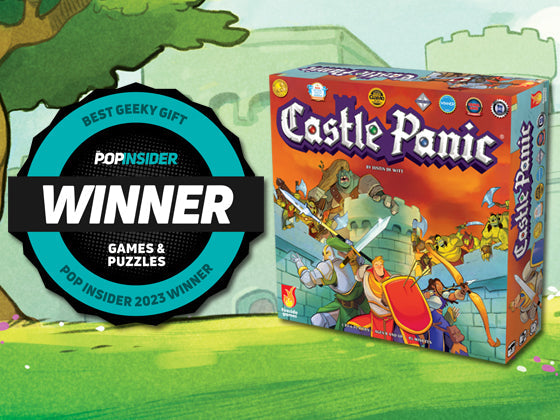
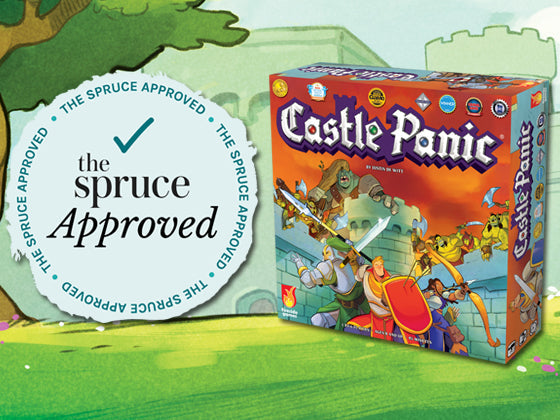
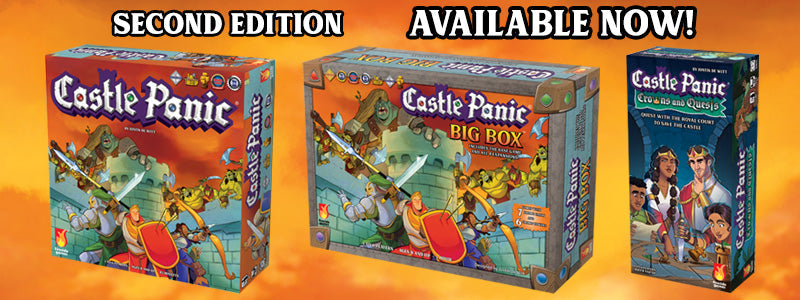
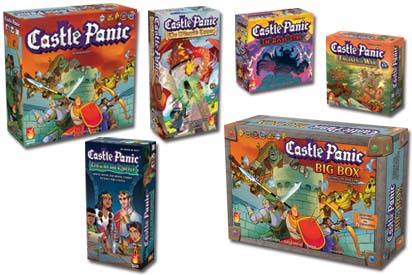
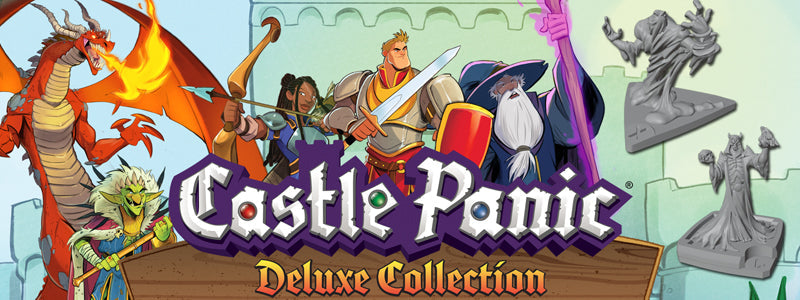
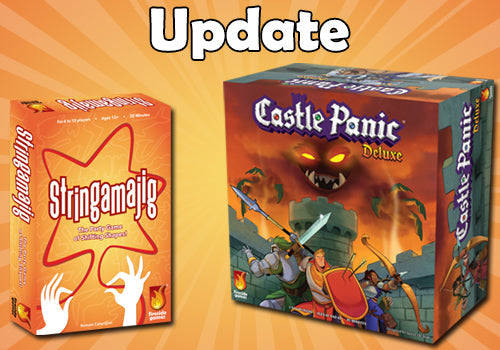
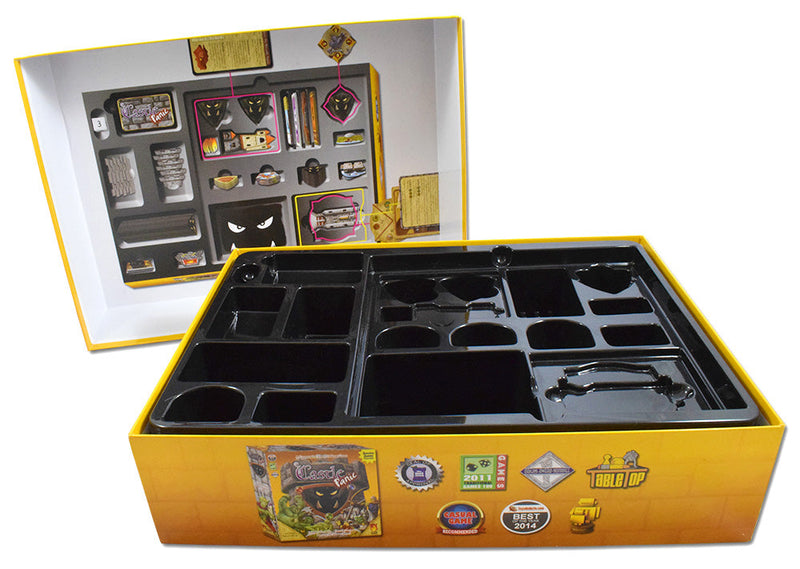
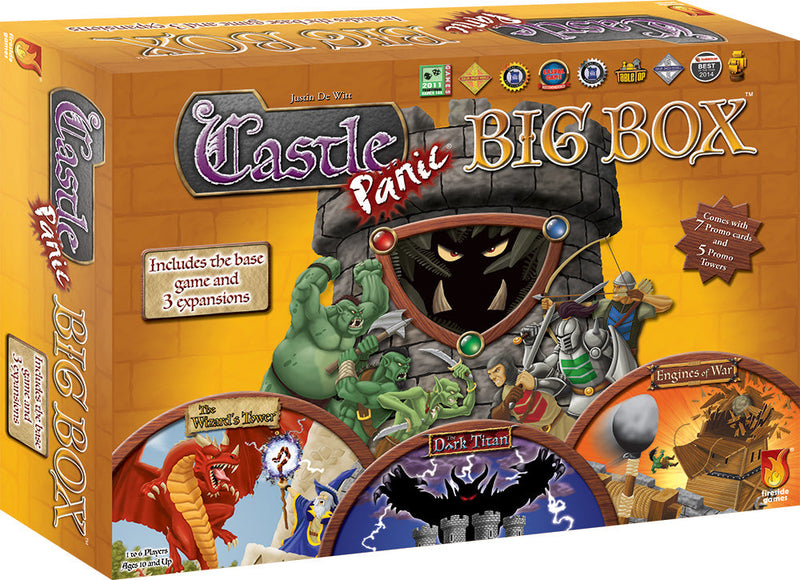
| 7 | Play a fully cooperative game | In Castle Panic, 1 to 6 players work together to protect Castle Bravehold from goblins, orcs, and trolls. Everyone wins or loses together. |
| 8 | Give each kid a job | One moves the monsters, one adds monsters to the forest, one reads the cards aloud. |
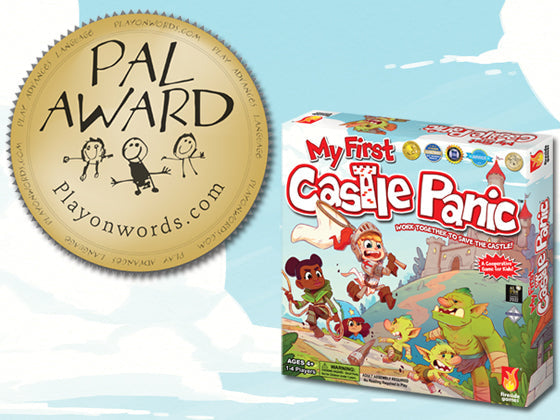
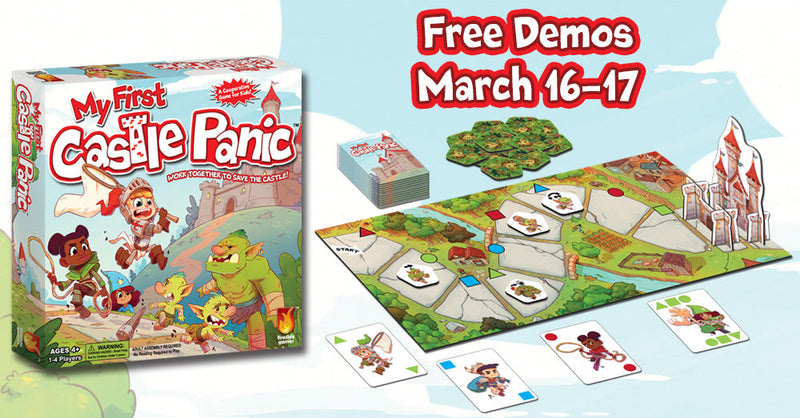
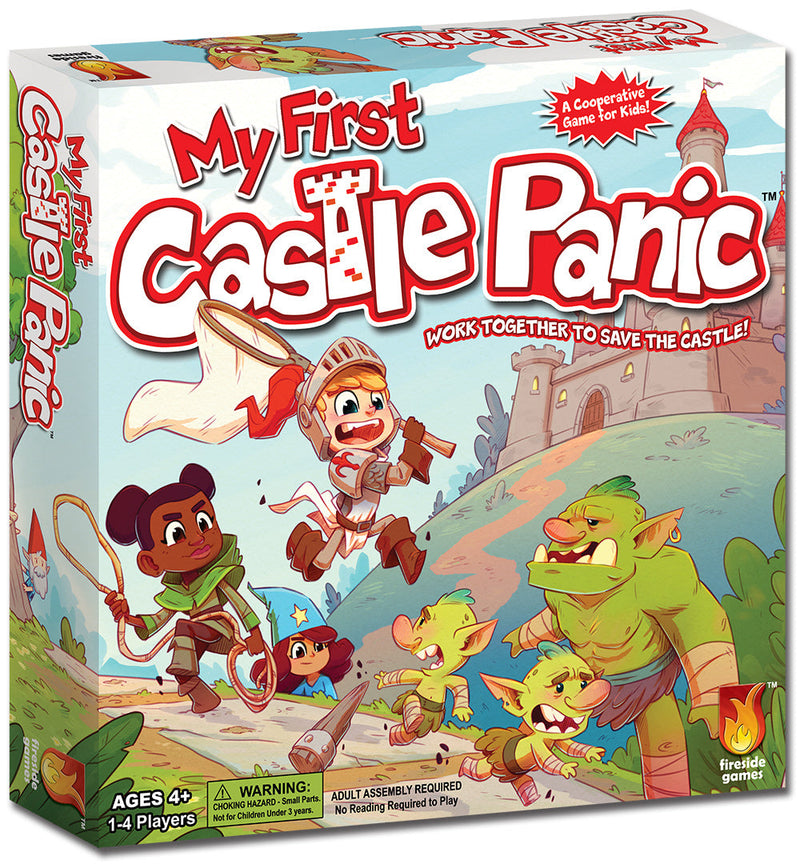
| 9 | Give preschoolers their own castle | My First Castle Panic is made for ages 4 and up and needs no reading, so little ones can play on their own by matching each monster's color and shape. |
| 10 | Beat your own record | Track how many rounds the castle survives, then try to top it next week. |
| 11 | Hold a team huddle | Talk through the plan before each turn. It gets everyone thinking ahead and gives quiet kids a chance to share their ideas. |
| 12 | Let a parent play the villain | Castle Panic's All vs. One Brawl mode puts one player in charge of the monsters. Kids love teaming up against Mom or Dad. |
Hand Kids the Controls
Kids stay invested when they own part of the night, and choices matter more than you might think. In a 2022 study in Frontiers in Psychology, researchers looked at how parents support preschoolers’ independence. Offering choices was the part most clearly linked to stronger executive function skills, the skills kids use to plan, focus, and control their impulses.
| # | Idea | How to do it |
| 13 | Let kids pick the game | Rotate who chooses each week. |
| 14 | Have a kid teach the rules | Explaining a game is harder than playing it, and it builds confidence. |
| 15 | Write house rules together | Look through the alternate rules in the back of the Castle Panic rulebook. Choose More Panic for a tougher game or Less Panic for an easier one, and decide together which rules to play with. |
| 16 | Design a game from scratch | Cardboard, markers, and a die are enough. Kids choose the theme, draw the board, and write the rules, which puts every big decision in their hands. |
| 17 | Name a game night host | The host sets up, picks the snack, and announces the final result. |
| 18 | Hand out awards | Paper certificates for "Best Strategy," "Bravest Move," and "Best Sport" cost nothing and get saved for years. |
Change the Format
Even a great routine gets stale. Small twists keep it fresh.
| # | Idea | How to do it |
| 19 | Run a family tournament | Short games, a bracket on the fridge, and a silly trophy. |
| 20 | Invite the grandparents | Pull up a chair, or set up a video call and let them call out moves. |
| 21 | Take it outside | A picnic blanket and a flat surface work fine on a warm evening. |
| 22 | Try a theme night | Monster night fits October, and a horde of goblins and trolls makes a natural centerpiece. |
| 23 | Add light competition | Castle Panic's Master Slayer mode stays cooperative while players compete for the most monster kills. It's a good bridge for kids who love to win. |
| 24 | Practice solo | Older kids can learn strategy in solo mode, then teach it at the next game night. |
| 25 | Keep a game night journal | Write the date, the game, and one funny moment. In a year, it's a family keepsake. |

Frequently Asked Questions
1. How often should we have family game night?
Once a week is a good target. A set night is easier to keep than a "whenever we're free" plan, and kids start to look forward to it.
2. What is a cooperative board game?
In a cooperative game, players work as one team against the game itself. In Castle Panic, the whole table works together to stop monsters from reaching the castle. Everyone wins or loses together, so no one is left out.
3. What age is Castle Panic for?
Castle Panic is recommended for ages 8 and up and plays with 1 to 6 people. For preschoolers, My First Castle Panic is made for ages 4 and up and needs no reading.
4. How do we handle a sore loser?
Try a cooperative game first, so the family wins or loses as a team. Agree on house rules before you start, and hand out fun awards like "Best Sport" so every player has something to celebrate.
5. Can kids of different ages play together?
Yes. Castle Panic plays with 1 to 6 people ages 8 and up, so older kids, parents, and grandparents can all share one table. Because everyone plays as a team, newer players learn the strategy just by joining the conversation.
For preschoolers, My First Castle Panic is made for ages 4 and up so they can enjoy their own castle-defending game time.
Final Thoughts
The best game night is the one your family wants to repeat. Keep it on the calendar, keep the pressure low, and let kids own part of it. Start with two or three ideas from this list, and add more as the habit grows.
Ready for a game where everyone wins together? Explore Castle Panic for ages 8 and up, or My First Castle Panic for ages 4 and up, at Fireside Games.